San Jose Construction Workflow Explained for Project Managers
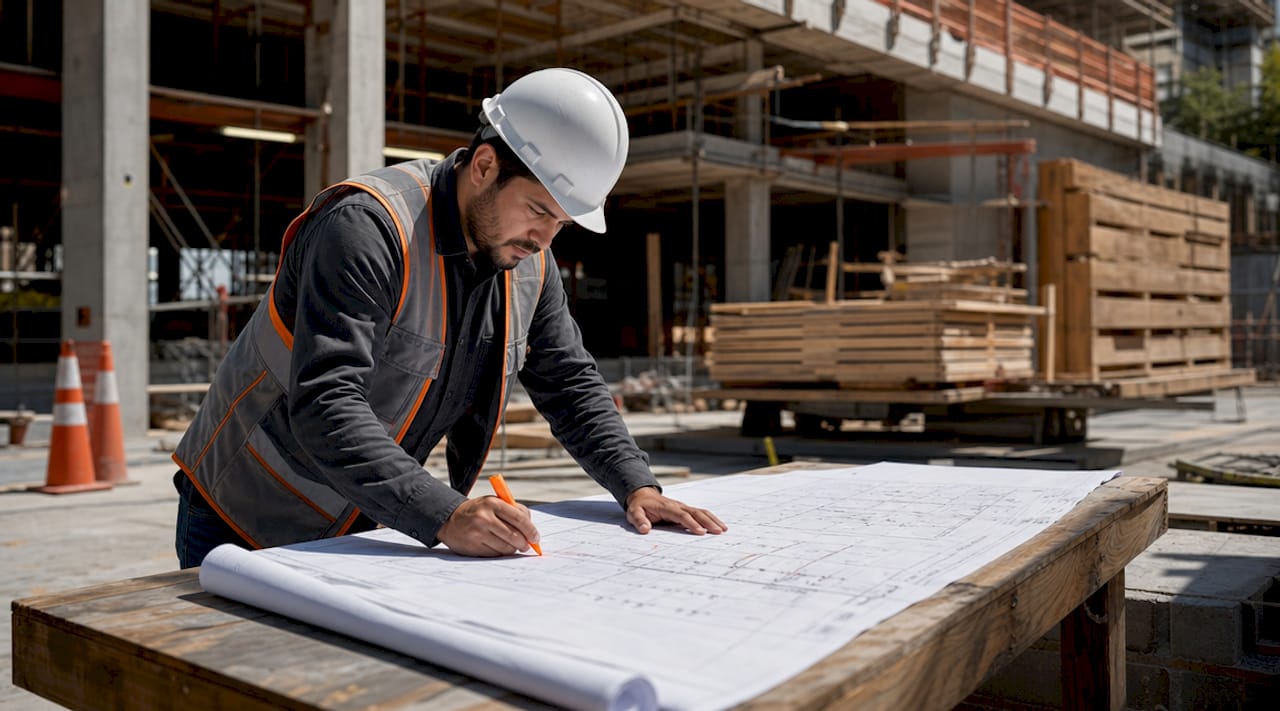
The San Jose construction workflow is the defined sequence of planning, permitting, phased construction, and inspection sign-offs that every project must complete before a certificate of occupancy is issued. Project managers who understand this sequence from the start avoid the costly delays that derail timelines and budgets. The city’s SJePlans portal sits at the center of this process, managing electronic plan submissions and permit approvals. Whether you are running a custom home build, an ADU, or a commercial retrofit, the construction process in San Jose follows a predictable structure once you know the rules.
How does the San Jose construction workflow and permit process work?
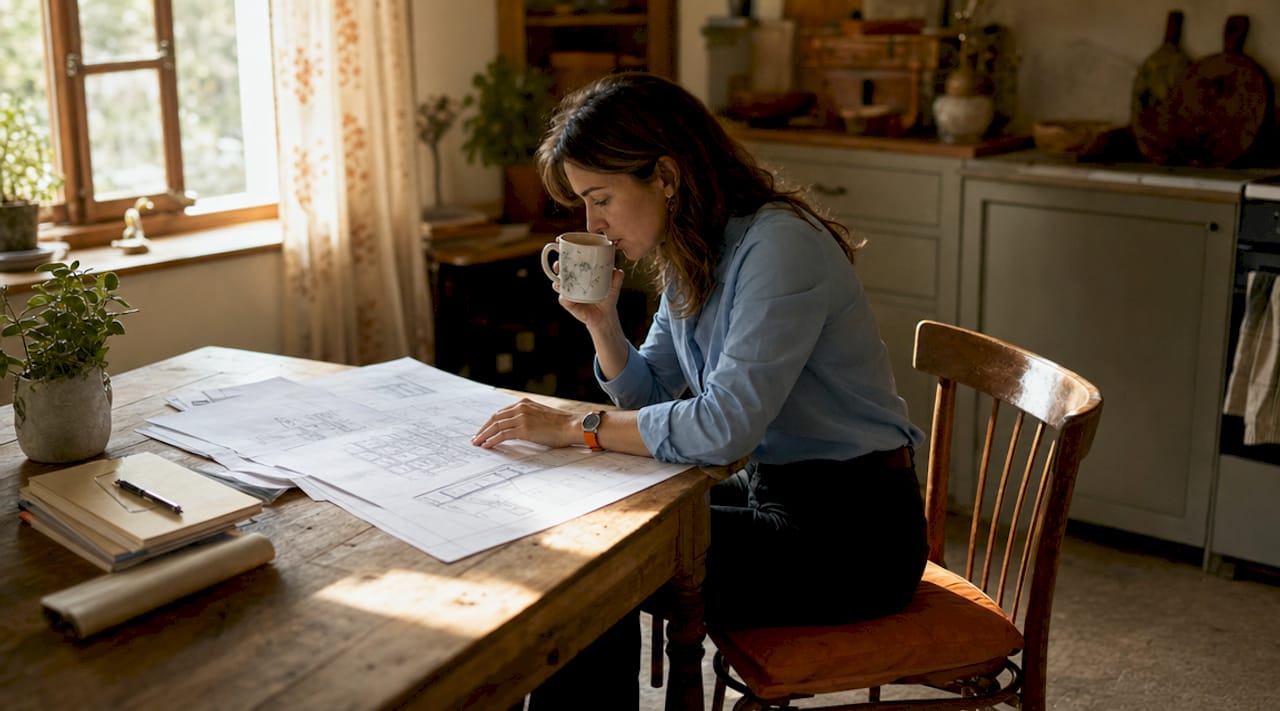
The permit application is where the San Jose construction workflow either gains momentum or stalls. San Jose uses the SJePlans portal to manage all electronic building permit applications and plan reviews. Applicants upload drawings and supporting documents, pay plan review fees, and the formal review clock starts only after fee payment clears. That sequence matters because many teams submit documents and assume review has begun before the fee is processed.
The permit submission process follows a clear order:
- Create your application on SJPermits.org and link it to the SJePlans portal for electronic plan upload.
- Designate your ePlan Applicant. This individual is the only person authorized to upload documents and respond to reviewer comments inside the portal. Choose someone who can act within 24 to 48 hours of receiving comments.
- Upload complete plan sets following the city’s file naming conventions. Incomplete or mislabeled submissions are rejected before review begins.
- Pay the plan review fee. Review does not start until payment is confirmed. Budget this into your project cash flow from day one.
- Monitor the portal for reviewer comments. The ePlan Applicant must respond to each comment and resubmit corrected documents. Correction cycles typically add two to four weeks per round.
- Receive permit issuance electronically. Final payment triggers permit issuance, and the approved plans and permit card become accessible through SJePlans.
Architectural and design work for San Jose projects typically takes 6 to 12 weeks before a plan can be submitted. Plan check itself averages 8 to 12 weeks for residential construction, with additional review from outside agencies adding another 2 to 4 weeks in some cases. That means your pre-construction phase alone can run five to six months on a complex project.
Pro Tip: Assign your ePlan Applicant role to a senior project coordinator or permit expediter, not an administrative assistant. The speed of your response to reviewer comments directly controls how many correction rounds you cycle through.
What are the typical construction phases and timelines after permit issuance?
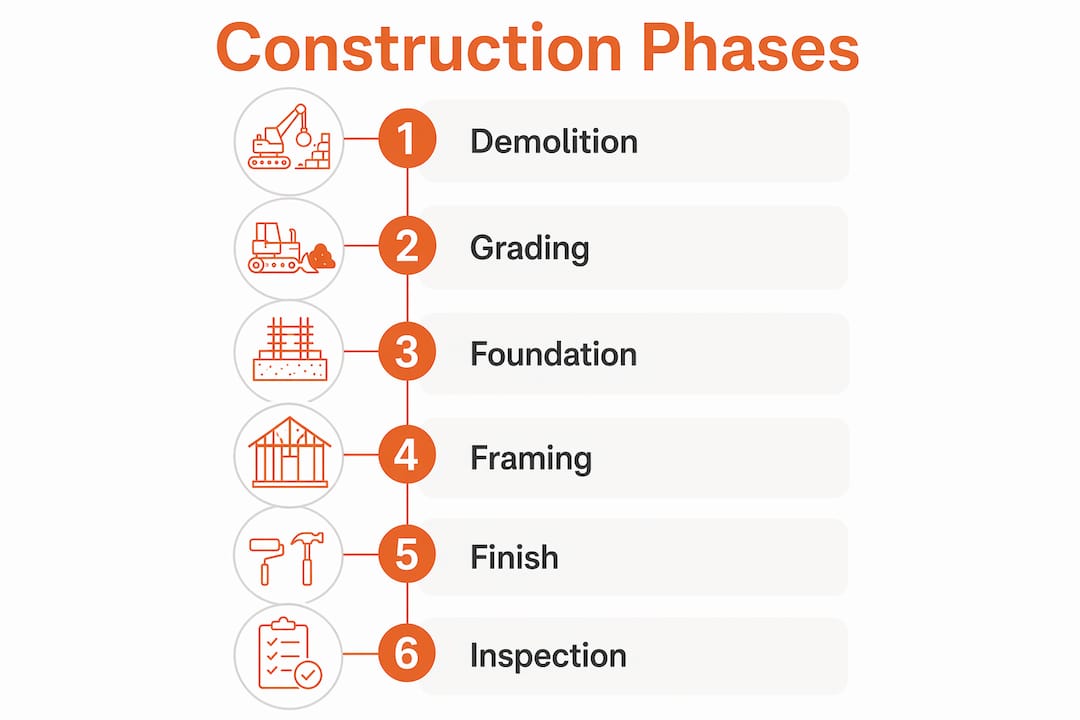
Once the permit is in hand, the building workflow guide for San Jose projects follows a well-established phase sequence. Each phase gates the next, and inspections are the mechanism that unlocks progression. Skipping ahead without a passed inspection is not just a code violation. It is a schedule risk that can force you to open completed walls.
The standard phase timeline for San Jose residential construction looks like this:
- Demolition: 1 to 2 weeks, depending on scope and hazardous material abatement requirements
- Grading and foundation: 3 to 5 weeks. San Jose soil conditions vary significantly across the city, and expansive clay soils in some neighborhoods require additional compaction testing before concrete pours
- Framing: 3 to 4 weeks for a typical single-family structure
- Mechanical rough-ins (plumbing, electrical, HVAC): 4 to 6 weeks, with each trade requiring a separate inspection before drywall can proceed
- Interior finishes: 8 to 12 weeks, the longest phase and the one most affected by material lead times
| Phase | Typical Duration | Key Dependency |
|---|---|---|
| Demolition | 1 to 2 weeks | Hazmat clearance |
| Grading and foundation | 3 to 5 weeks | Soil report and compaction test |
| Framing | 3 to 4 weeks | Foundation inspection passed |
| Mechanical rough-ins | 4 to 6 weeks | Framing inspection passed |
| Interior finishes | 8 to 12 weeks | All rough-in inspections passed |
Material lead times are a workflow driver that many project managers underestimate. Cabinetry runs 6 to 10 weeks and windows run 8 to 14 weeks from order to delivery. If you wait until framing is complete to place those orders, you will sit idle during the finish phase. Treat procurement as a parallel workflow that runs alongside permitting, not after it.
Inspection scheduling in San Jose requires building lead time into your critical path. Failed inspections trigger reinspection delays that compound across trades. A failed rough electrical inspection does not just delay the electrician. It delays the drywaller, the insulation contractor, and every finish trade behind them.
Pro Tip: Build your inspection calendar at the start of construction, not as you go. Map each required inspection to a target date and work backward to set trade completion deadlines. This single habit prevents the most common schedule overruns in San Jose project management.
What are common workflow challenges in San Jose construction?
San Jose’s construction planning process has specific friction points that experienced project managers learn to anticipate. Knowing where the workflow breaks down is the first step to preventing it.
The most frequent bottlenecks include:
- ePlan Applicant assignment delays. The ePlan Applicant role is operationally critical because only that individual can respond to plan review comments. Assigning someone who is unavailable or unfamiliar with the portal creates multi-round delays that are entirely avoidable.
- Designers unfamiliar with San Jose requirements. Using designers without local code knowledge can generate dozens of correction cycles. Each cycle adds weeks and direct costs in resubmission fees and consultant time.
- Long-lead procurement treated as a sequential task. Teams that order windows and cabinetry after framing inspection routinely push their project completion dates by four to eight weeks.
- Trade inspection conflicts. When multiple trades finish rough-in work at the same time, scheduling conflicts with city inspectors create idle periods. Coordinate your trade sequence so inspections are staggered rather than stacked.
- Correction cycle management. Each round of plan reviewer comments requires a complete, organized response. Partial responses or unclear markups trigger another round. Assign one person to own the correction response document from start to finish.
Resolving subcontractor scheduling conflicts before they reach the field is one of the highest-leverage skills a San Jose project manager can develop. The cost of a day of idle labor on a Bay Area job site is not trivial.
Pro Tip: Start procurement conversations with your cabinet and window vendors the week you submit for permits. You do not need final dimensions yet. Establishing lead times and holding a slot in their production queue costs nothing and saves weeks.
How does San Jose’s workflow differ for ADUs and retrofits?
Accessory dwelling units and retrofit projects follow the same core permit process but carry distinct regulatory requirements and timeline profiles. Understanding these differences is part of any solid building workflow guide for San Jose professionals.
For ADUs, California law mandates that the city complete plan review within 60 days of receiving a complete application. That clock starts only when the submission is deemed complete, which means front-loading your package with Title 24 energy calculations, full construction plans, and all required supporting documents. Practical ADU review runs 4 to 8 weeks, with correction cycles adding 2 to 4 weeks per round. Inspection milestones for ADUs include foundation, framing, rough plumbing and electrical, insulation, and final inspection. Each must pass before the next phase begins.
Retrofit permits follow a different rhythm. Assessment and design typically run 3 to 5 weeks, plan review runs 4 to 8 weeks, and construction itself runs 2 to 4 weeks. The critical variable is seismic and soil compliance. Retrofit design teams must be fluent in San Jose’s local seismic requirements and code interpretations. A team that brings in standard California code knowledge without local context will generate correction cycles that extend the schedule and increase costs.
| Project Type | Plan Review Timeline | Key Compliance Factor |
|---|---|---|
| Standard residential | 8 to 12 weeks | Local code and file naming |
| ADU | 4 to 8 weeks (60-day legal max) | Title 24, complete submittal |
| Retrofit | 4 to 8 weeks | Seismic design, soil conditions |
The practical takeaway is that ADUs reward completeness at submission, while retrofits reward local design expertise. Both project types benefit from managing material inventory in parallel with the permit process rather than waiting for approval before ordering.
Key takeaways
A well-executed San Jose construction workflow requires assigning the right ePlan Applicant, ordering long-lead materials during permitting, and building inspection milestones into the project schedule from day one.
| Point | Details |
|---|---|
| Permit process starts with fees | Plan review does not begin until the plan review fee is paid through SJePlans. |
| ePlan Applicant is a critical role | Only the designated ePlan Applicant can respond to reviewer comments; delays here cascade across the entire schedule. |
| Material procurement runs parallel | Order cabinetry and windows during permitting to prevent finish phase delays of four to eight weeks. |
| Inspection calendar drives the schedule | Map every required inspection to a target date at the start of construction to prevent trade bottlenecks. |
| Local design expertise reduces corrections | Designers familiar with San Jose codes and seismic requirements cut correction cycles for ADUs and retrofits. |
What I have learned managing San Jose construction workflows
After working with construction teams across the Bay Area, the single most consistent finding is that permit delays are almost never the city’s fault. They are a project management problem. Teams that assign an inexperienced ePlan Applicant, submit incomplete packages, or respond slowly to reviewer comments create their own delays and then blame the city’s timeline.
The second pattern I see repeatedly is the procurement gap. Project managers who treat material ordering as something that happens after permit approval routinely lose six to ten weeks in the finish phase. The math is simple. If your permit takes 10 weeks and your windows take 12 weeks, you should be ordering windows in week two of plan review, not week one of framing.
The teams that consistently hit their schedules in San Jose share three habits: they assign a dedicated, empowered ePlan Applicant; they use a CRM buyer’s checklist to select digital tools that track permit status and inspection milestones in one place; and they treat proactive communication with city reviewers as a core project management skill, not an afterthought. Those three habits alone separate the projects that finish on time from the ones that do not.
— Rowena
How Highlevelcrm-rconstructionsolutions supports your San Jose project workflow
Managing permit status, inspection calendars, material orders, and reviewer communications across multiple San Jose projects is genuinely difficult without a centralized system. Highlevelcrm-rconstructionsolutions is built specifically for construction teams, with automated notifications for plan review updates, inspection scheduling reminders, and custom reporting dashboards that give project managers a real-time view of every active permit.
Contractors using Highlevelcrm-rconstructionsolutions report lead conversion increases of up to 35%, and the permit tracking features reduce the manual follow-up that slows most San Jose teams down. If you are managing ADUs, retrofits, or custom builds across multiple sites, the platform’s construction workflow tools give you the visibility to catch delays before they compound. Explore the full feature set at CRM features and FAQs to see how it fits your operation.
FAQ
How long does the San Jose permit process take?
Plan check for residential construction in San Jose averages 8 to 12 weeks, with additional agency reviews adding 2 to 4 weeks. ADU projects have a legal maximum of 60 days from a complete application.
What is the ePlan Applicant role in San Jose?
The ePlan Applicant is the designated individual who submits documents and responds to plan reviewer comments through the SJePlans portal. Only this person can act on review comments, making the role a direct control point for permit timeline.
When should I order long-lead materials for a San Jose project?
Order cabinetry and windows during the permitting phase, not after permit issuance. Lead times of 6 to 14 weeks mean that sequential ordering routinely pushes project completion dates by two months or more.
What makes ADU permits different from standard residential permits in San Jose?
California law requires San Jose to complete ADU plan review within 60 days of a complete application. Front-loading your submission with Title 24 calculations and full construction documents starts that clock immediately and reduces correction cycles.
How do I reduce plan review corrections in San Jose?
Hire designers with direct experience in San Jose’s code requirements and file naming conventions. Local design knowledge is the single most effective way to reduce the correction cycles that extend permit timelines and increase project costs.